
Dessert Not Setting
Your pudding, panna cotta, or mousse is still liquid or barely thickened after the expected setting time. This is caused by insufficient thickener, not enough chilling time, or a ratio problem.
Part of desserts cooking fixes .
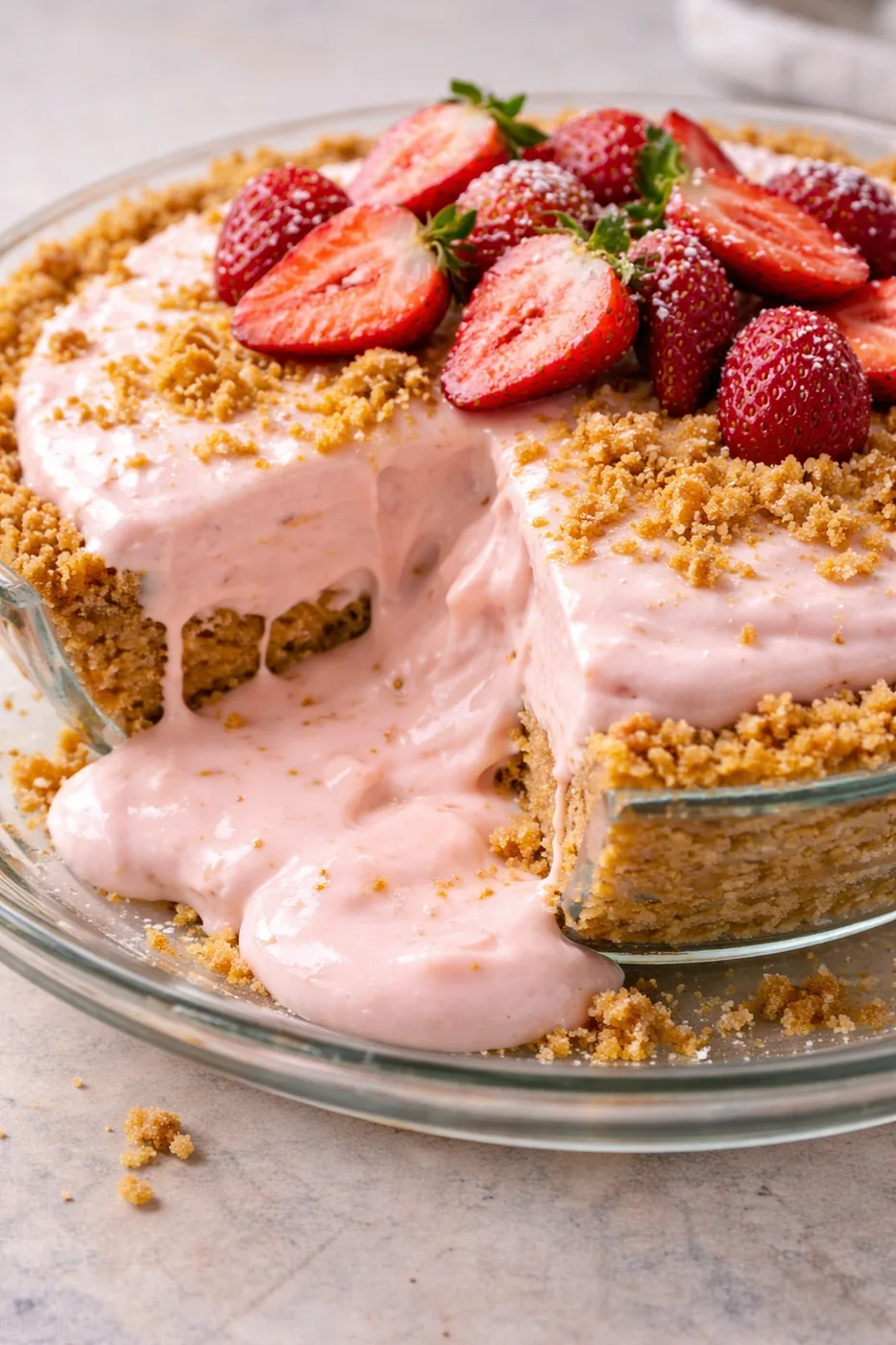
Ingredients on hand
- unset dessert
- 1 teaspoon powdered gelatin or 1 tablespoon cornstarch
- 2 tablespoons cold water
- 2 tablespoons warm cream
Why it happened
Gelatin needs full hydration (blooming) and then enough chilling time to form a protein mesh. If gelatin was added to boiling liquid, the proteins can denature and lose their gelling power. Starch-thickened puddings need to reach a full simmer (not just warm) for the starch granules to swell and absorb liquid. Insufficient thickener relative to the volume of liquid is the most common cause of both problems.
The fix
- 1 For gelatin-based desserts: bloom 1 teaspoon gelatin in 2 tablespoons cold water for 5 minutes, melt in the microwave for 10 seconds, whisk into the warm dessert, then re-chill for 4 hours
- 2 For starch-based puddings: mix 1 tablespoon cornstarch with 2 tablespoons cold water, bring the pudding to a simmer, whisk in the slurry, and cook 2 minutes until thickened
- 3 pour into a wide shallow dish rather than a deep bowl to speed chilling and setting
If it's still wrong
- If it will not set at all, freeze it for 2-3 hours and serve as a semifreddo or frozen dessert.
- Serve in small glasses as a dessert sauce over cake, ice cream, or fresh fruit.
Prevent next time
- Use the exact ratio called for: 1 teaspoon gelatin per cup of liquid, or 2 tablespoons cornstarch per cup for pudding.
- Bloom gelatin in cold water first, never sprinkle directly into hot liquid.
- For starch-based puddings, bring to a full bubbling simmer and stir constantly for 2 minutes.
Notes
Why this works
Gelatin gels form when collagen-derived protein chains cool below about 60F and intertwine into a triple-helix mesh that traps water. If the gelatin was not properly bloomed (hydrated in cold water), the protein chains clump instead of dispersing, resulting in weak or no gel. If added to liquid above 180F, some protein denatures irreversibly. Adding fresh, properly bloomed gelatin to the warm (not hot) mixture and re-chilling gives the new protein a clean chance to form the mesh. For starch-based puddings, the mechanism is different: starch granules must swell by absorbing water at temperatures above 180F, and then upon cooling they form a paste. If the pudding never reached a simmer, the granules never fully swelled, leaving the mixture thin.
Substitutions
- powdered gelatin → 1 teaspoon agar agar (dissolve in hot liquid and boil 2 minutes)
- cornstarch → arrowroot powder (use same amount)
Other desserts fixes